
Opening an Aesthetic Clinic? The First Five Equipment Decisions
Opening an aesthetic clinic is part clinical, part business. The equipment decisions made early shape the clinic that exists five to ten years later. Get them right and the rest of the build-out flows. Get them wrong and the next two years will be spent correcting expensive choices.
These are the five decisions that come up in every conversation with new clinic owners.
Decision 1: Define the treatment menu before choosing equipment
Most new clinic owners start with the equipment list and try to back-fit the treatment menu. That is the wrong sequence.
Start with the treatments planned for year one. Then list the treatments to add in year two. Then consider the treatments that might join the menu by year three.
This sequence gives you two important pieces of information. First, it tells you which clinical capabilities the equipment must support today. Second, it tells you whether single-application devices will suffice or whether a multi-application platform will save money as the menu expands.
A clinic launching with hair removal only and adding skin rejuvenation in year two is in a different equipment situation than a clinic that plans to offer hair removal, tattoo removal and skin rejuvenation from day one.
Decision 2: Map your patient demographic
Equipment choices follow patient demographics. The same hair removal machine that works perfectly for a clinic in a predominantly Anglo-Australian suburb will underperform in a clinic where most patients are Mediterranean, Middle Eastern or South Asian.
For each treatment on the year-one menu, ask:
- What is the patient demographic the clinic expects to treat?
- What Fitzpatrick skin type distribution does that demographic produce?
- What clinical or safety considerations does that distribution require?
The answer drives wavelength choices, cooling requirements and treatment energy ranges. It also drives which platforms should and should not make the shortlist.
Decision 3: Specialist devices or multi-application platforms
This is the strategic decision most new clinics overlook.
A specialist device does one thing very well. A multi-application platform handles several treatment indications on one console. Both options have legitimate roles.
Single-application devices are right when:
- Floor space allows for multiple devices in dedicated rooms
- The treatment menu is focused and operational simplicity is the priority
- There is confidence the menu will not expand significantly in the medium term
Multi-application platforms are right when:
- Floor space is limited and one platform must earn multiple revenue lines
- The treatment menu is expected to expand over the first three years
- The clinic wants to test additional treatments without committing to dedicated equipment
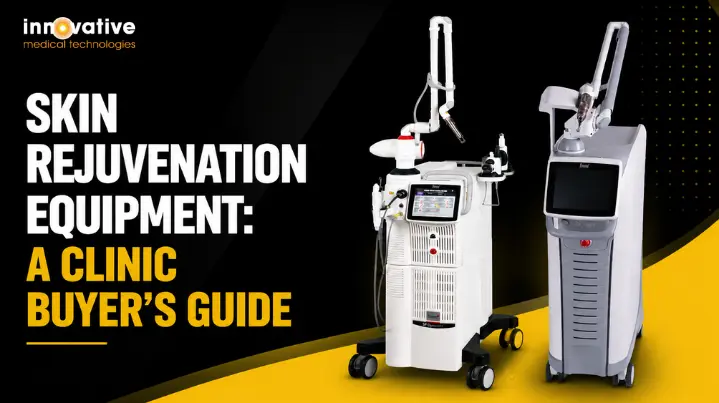
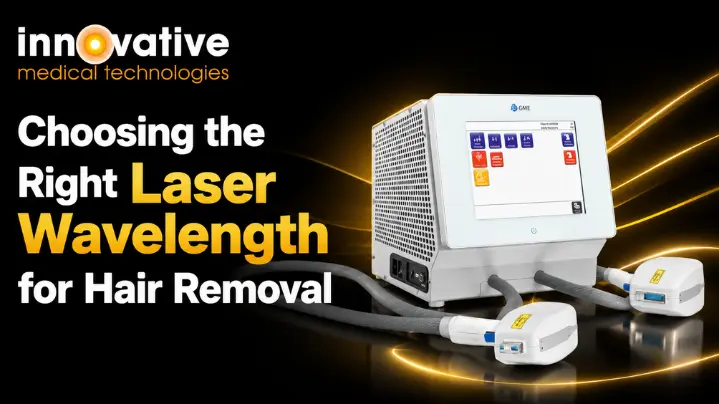
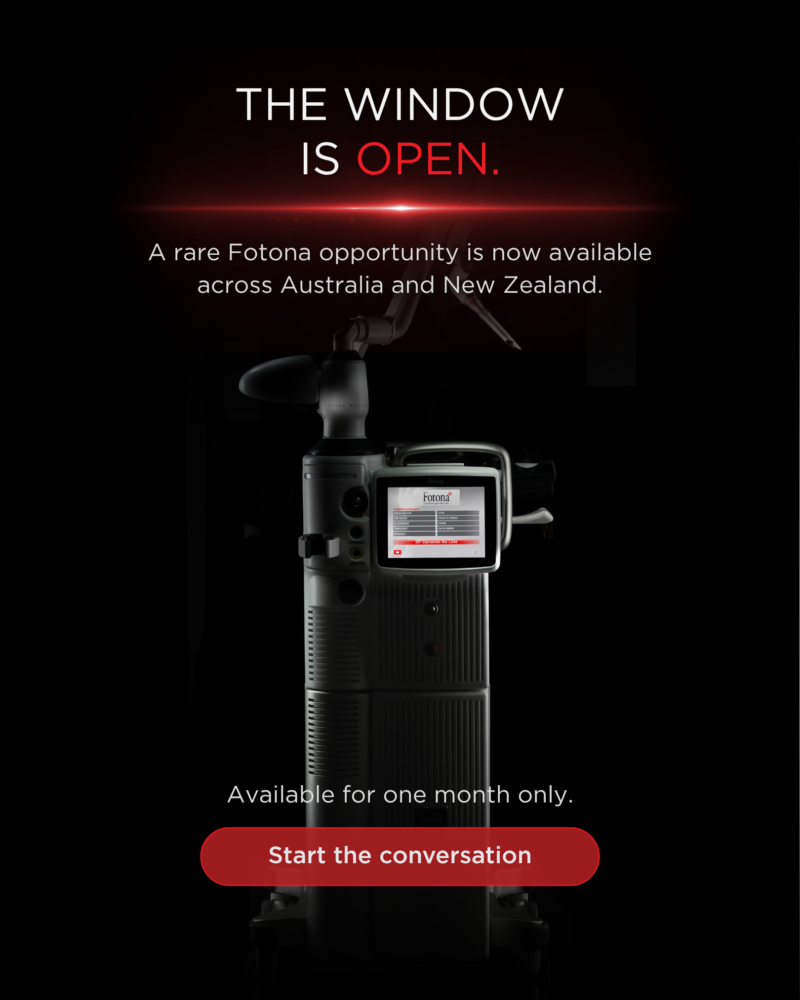
A platform like Innovative’s Fotona SP Dynamis supports hair removal, vascular treatments and skin rejuvenation from one console. A diode system like the GME TwinScan, on the other hand, is purpose-built for high-volume hair removal. Each is the right choice in different clinic scenarios.
Decision 4: Compliance, licensing and training
Class 4 medical lasers in Australia carry specific compliance requirements. Every device must be registered on the Australian Register of Therapeutic Goods (ARTG). Operators need completed laser safety training. Several states — Queensland, Western Australia, Tasmania and the ACT — have additional licensing requirements that can take weeks to complete.
Plan compliance work into the timeline before committing to a launch date. The number of clinic openings delayed by overlooked licensing requirements is higher than most people realise.
Before signing any equipment purchase, confirm:
- The supplier provides ARTG documentation for every device
- Manufacturer-led training is included for every operator who will treat
- Laser safety course access is available for any staff member who does not yet hold one
- A Designated Laser Safety Officer is identified for the clinic
Decision 5: The supplier relationship
The device sits on your floor for five to ten years. The supplier sits behind that device for the same period — providing training, technical support, clinical advice, parts and servicing.
When evaluating suppliers, ask:
- What does first-year training include, and how is it delivered?
- What is the technical service response time in my state?
- What clinical support is available if a treatment is not delivering expected results?
- Who else in my region uses this device, and can I speak with them?
- What happens if the device fails outside of the warranty window?
Suppliers who answer these questions clearly and in writing are the ones worth working with. Suppliers who push back tell you what the next five years will look like.
Final thoughts before you invest
Equipping an aesthetic clinic is a sequence of decisions, not a single decision. The treatment menu drives the equipment. The patient demographic drives the wavelengths. The growth plan drives single versus multi-application choice. Compliance constrains the timeline. The supplier relationship makes everything either workable or painful.
If you are at the planning stage and would like to discuss equipment options, the team at Innovative works with new and established Australian clinics every week. We will walk through the menu, the demographic, the space and the growth plan to help build an equipment shortlist that fits.